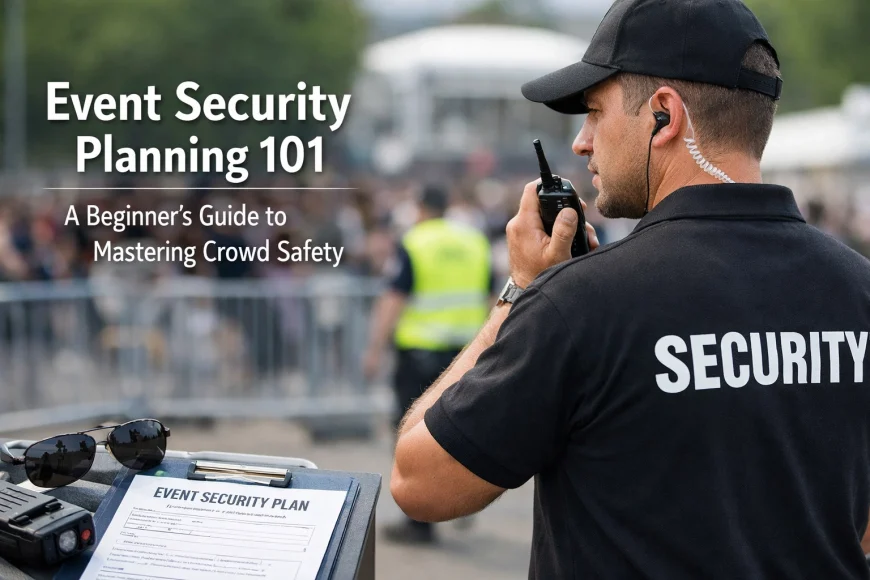
Planning an event means you’re responsible for everyone who walks through your doors. Whether you’re organizing a wedding, corporate gathering, or community festival, crowd safety isn’t optional: it’s essential. One overlooked detail can turn your event into a liability nightmare. You need a solid event security plan before your first guest arrives. This guide walks you through the fundamentals of protecting your attendees, managing crowds, and handling emergencies with confidence.
Start With a Pre-Event Security Assessment
Your security planning begins weeks before your event date. You need to identify potential risks specific to your venue and audience.
Ask yourself these questions: What’s the expected attendance? Will alcohol be served? Are there VIP guests who need extra protection? Is your event indoors or outdoors? Document every potential threat: from physical dangers to crowd-related incidents. Weather concerns matter for outdoor events. Digital threats apply if you’re streaming or collecting attendee data online. This assessment becomes your security blueprint. It guides every decision you make moving forward.
Conduct a Thorough Venue Inspection
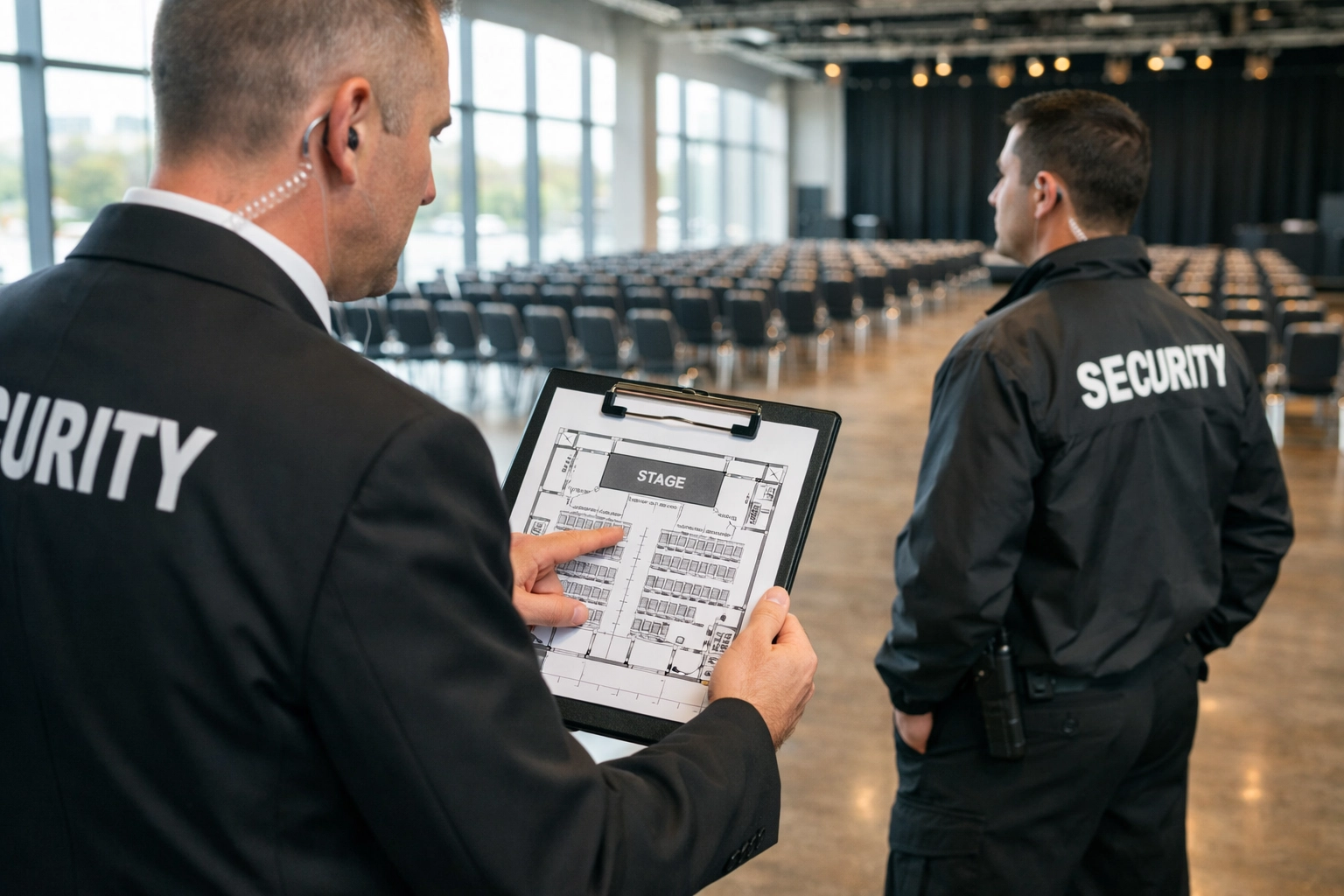
You must know your venue inside and out. Walk through every entrance, exit, hallway, and corner before event day.
Identify all access points where unauthorized individuals might enter. Look for blind spots where security cameras can’t reach. Note narrow corridors or bottlenecks where crowds could build dangerously. Map out your security checkpoints and guard posts during this walkthrough. Determine where your security personnel will be stationed for maximum visibility and quick response times.
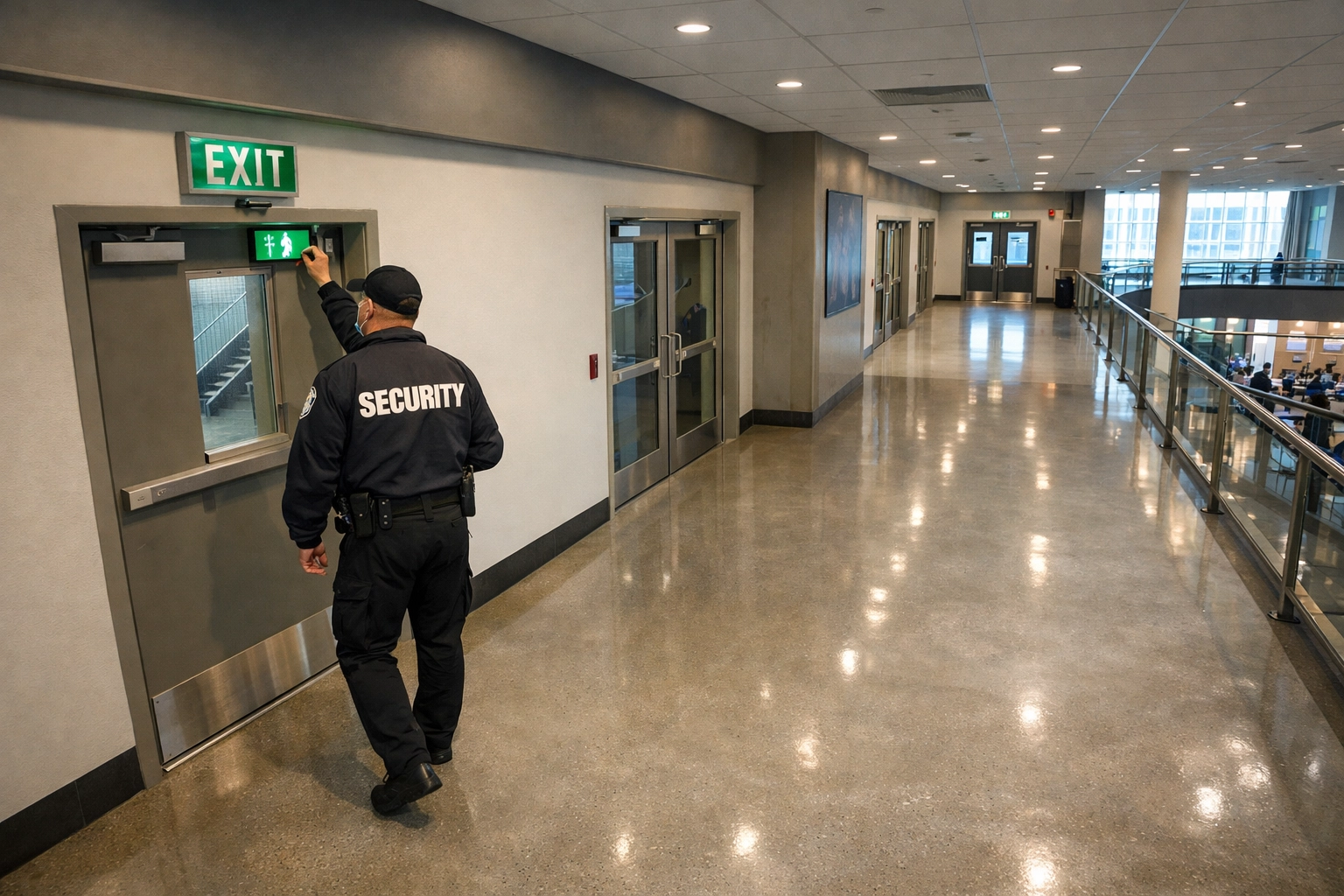
Pay special attention to emergency exits. Make sure they’re clearly marked, unobstructed, and functional. Your evacuation plan depends on these routes working perfectly under pressure.
Calculate Your Security Personnel Needs
The right number of security guards keeps your event safe without feeling oppressive. Too few creates vulnerabilities. Too many wastes your budget.
A standard benchmark is one security guard for every 100 attendees. But this varies based on your event type and risk level. High-risk events need more coverage. Concerts with general admission require heavier security than seated corporate conferences. Events serving alcohol demand additional guards to manage potential incidents.
Partner with a professional security company that understands event security. They’ll help you determine the right staffing levels for your specific situation. Searching “security guards near me” connects you with local providers who know your area’s unique challenges. Provide your security team with detailed briefings before the event. They need to understand the venue layout, high-traffic areas, event timeline, and their specific duties.
Implement Proven Crowd Control Strategies
Crowds become dangerous when they’re poorly managed. You need proactive strategies to prevent crushes, stampedes, and bottlenecks.
Designate crowd spotters throughout your venue. These trained staff members watch for early warning signs of dangerous crowding. They alert your security team immediately when they spot potential problems. Create multiple entry and exit points to distribute foot traffic evenly. Single-point access creates dangerous chokepoints during emergencies.
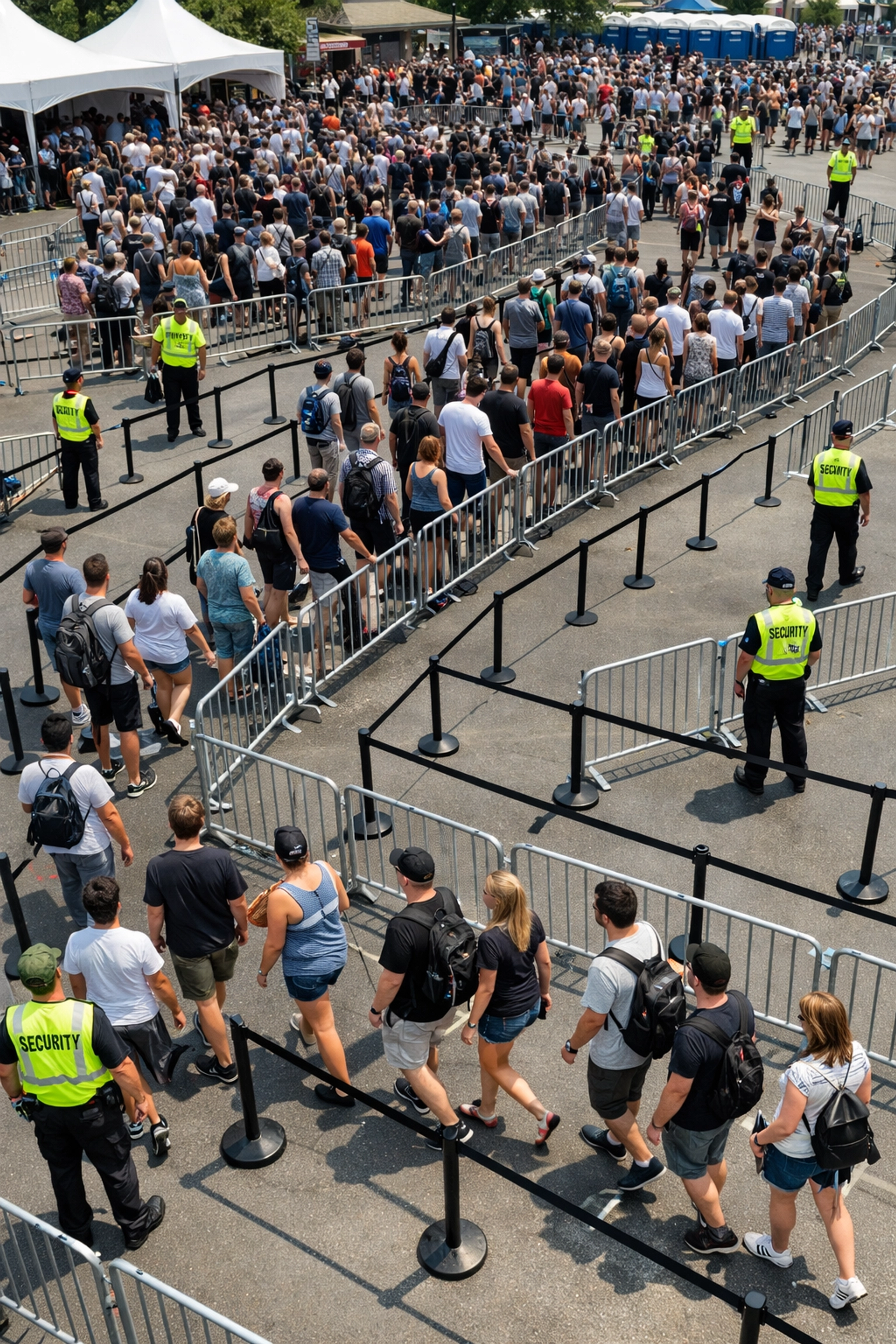
Plan alternative pathways if certain areas become overcrowded. Your security team needs the authority to redirect attendees to less congested routes. Install physical barriers to guide crowd flow naturally. Stanchions, ropes, and fencing create clear pathways that prevent wandering and clustering.
Communicate wait times and crowd conditions to your attendees. Transparency reduces frustration and keeps people calm when lines form.
Train Your Entire Staff on Security Protocols
Your security guards aren’t the only ones responsible for safety. Every staff member needs basic security training before your event.
Conduct training sessions covering emergency procedures for different scenarios. Your team must know how to respond to medical emergencies, suspicious activity, fires, and active threats. Teach your staff to recognize and report suspicious behavior immediately. Early detection prevents small concerns from becoming major incidents.
Establish clear communication channels between all team members. A centralized command center allows key personnel to coordinate responses and share real-time updates. Equip your security team with two-way radios for instant communication. Cell phones fail in crowded environments with overloaded networks.
Develop a Comprehensive Emergency Response Plan
Hope for the best, but plan for the worst. Your emergency response plan determines whether a crisis becomes a catastrophe.
Assign specific roles and responsibilities for different emergency types. Everyone needs to know exactly what they do when something goes wrong. Create detailed evacuation procedures with multiple routes and assembly points. Practice these procedures with your staff before the event.
Position first-aid stations strategically throughout your venue. Staff them with trained medical personnel who can handle common injuries and emergencies. Establish a protocol for halting your event if necessary. You need a quick way to communicate with your entire crowd without causing panic or additional crowding.
Coordinate with local emergency services before your event. Share your security plan with police, fire departments, and EMS. They’ll respond faster when they understand your venue layout and crowd size.
Secure Your Perimeter and Access Points
Physical security prevents unauthorized access before problems start. Your outer perimeter is your first line of defense.
Install temporary fencing or barriers around your event space. This creates a defined boundary between your controlled area and the outside world. Implement access control at all entry points. Check tickets, wristbands, or credentials before anyone enters. This keeps capacity under control and unwanted guests out.
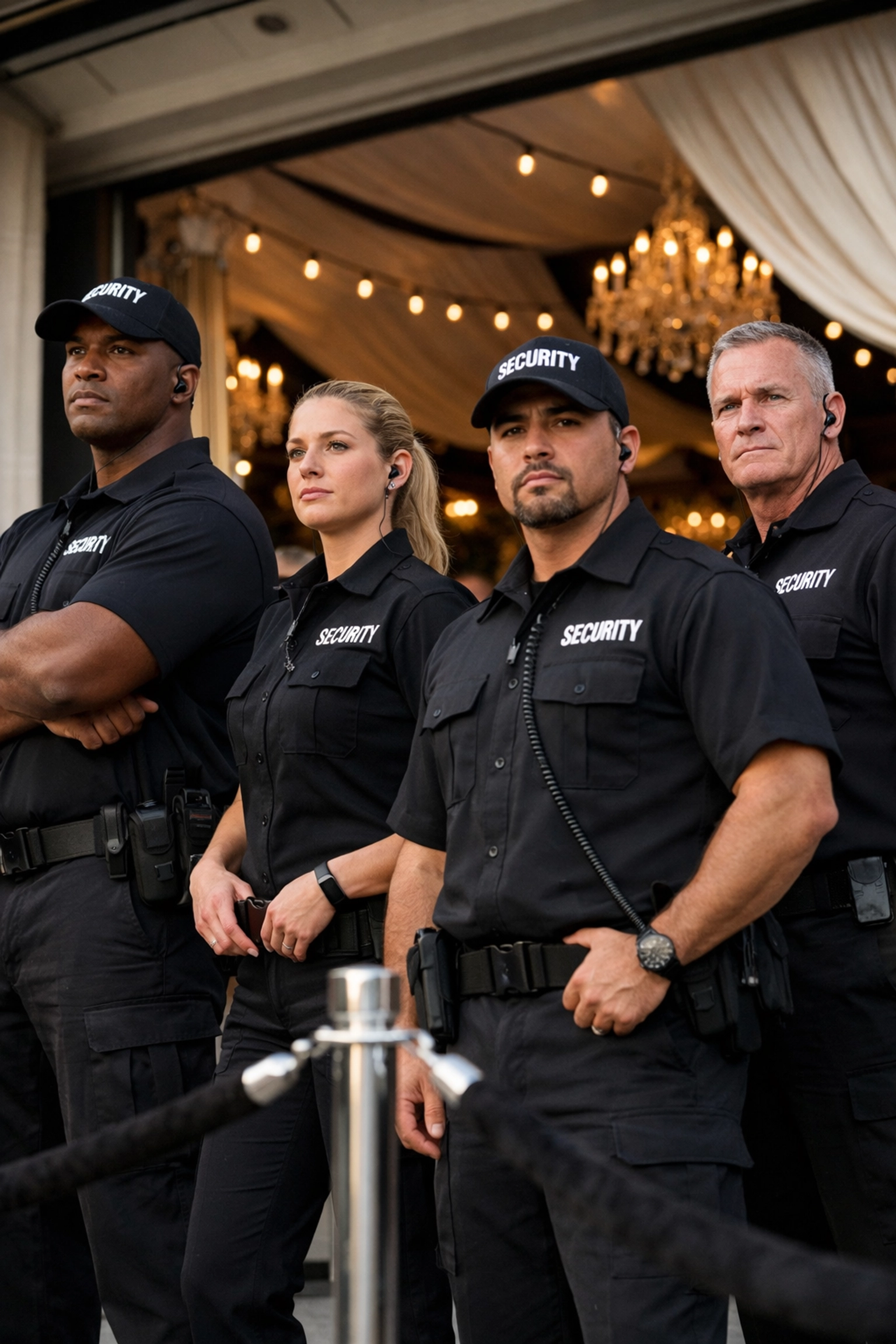
Position security personnel at every entrance and exit. They monitor for suspicious behavior, manage crowd flow, and respond to incidents immediately. Use metal detectors or bag checks for high-risk events. This added layer prevents weapons and prohibited items from entering your venue.
Install Strategic Surveillance Systems
Cameras give your security team eyes everywhere at once. They also provide crucial evidence if incidents occur.
Place surveillance cameras at all entrances and exits to document who comes and goes. Cover common areas where crowds gather naturally. Monitor high-value areas like VIP sections, backstage areas, and cash handling locations. These spots attract criminal activity and need extra attention. Ensure your security team actively monitors camera feeds in real-time. Recorded footage helps after incidents, but live monitoring prevents them.
Maintain Open Communication With Attendees
Your attendees are your security partners when properly engaged. Encourage them to report suspicious activities or safety concerns immediately.
Display clear signage throughout your venue with emergency contact numbers. Make it easy for people to reach your security team. Use announcements to share safety information without causing alarm. Remind attendees of emergency exits, first-aid locations, and security protocols. Provide multiple reporting channels: text lines, apps, or designated staff members. Different people prefer different communication methods.
Prepare for Weather-Related Emergencies
Outdoor events face unique challenges from unpredictable weather. Your security plan must account for these natural threats. Monitor weather forecasts continuously in the days before your event. Have a clear go/no-go decision point based on specific conditions.
Create a severe weather evacuation plan that gets everyone to shelter quickly. Identify nearby buildings or covered areas that can accommodate your entire crowd. Stock emergency supplies including first-aid kits, flashlights, and communication equipment. Power outages and equipment failures happen during storms.
Coordinate With All Vendors and Partners
Your event involves multiple organizations working together. Everyone must understand and follow your security protocols. Share your security plan with all vendors, performers, and service providers. They need to know emergency procedures and communication channels.
Conduct a final coordination meeting before your event begins. Walk through the security plan with all key stakeholders one last time. Establish clear chains of command so everyone knows who makes critical decisions. Confusion during emergencies costs precious time.
Get Professional Help When You Need It
Event security requires expertise you might not have in-house. Professional security companies bring trained personnel and proven systems.
When you search for “security guards near me,” look for companies with event security experience. They understand crowd dynamics and emergency response better than general security providers. At LT Olds Security, we’ve protected countless events across different sizes and types. We help you assess risks, plan security strategies, and provide trained personnel who keep your attendees safe.
Your event deserves professional protection. Start planning your security strategy today, and you’ll create an environment where your guests feel safe and your event succeeds. Visit LT Olds Security to discuss your event security needs with our experienced team. Book a quick call when you’re ready. Secure your plan and lock in peace of mind. Schedule here: https://calendly.com/ltoldssecurity-support/30min
